
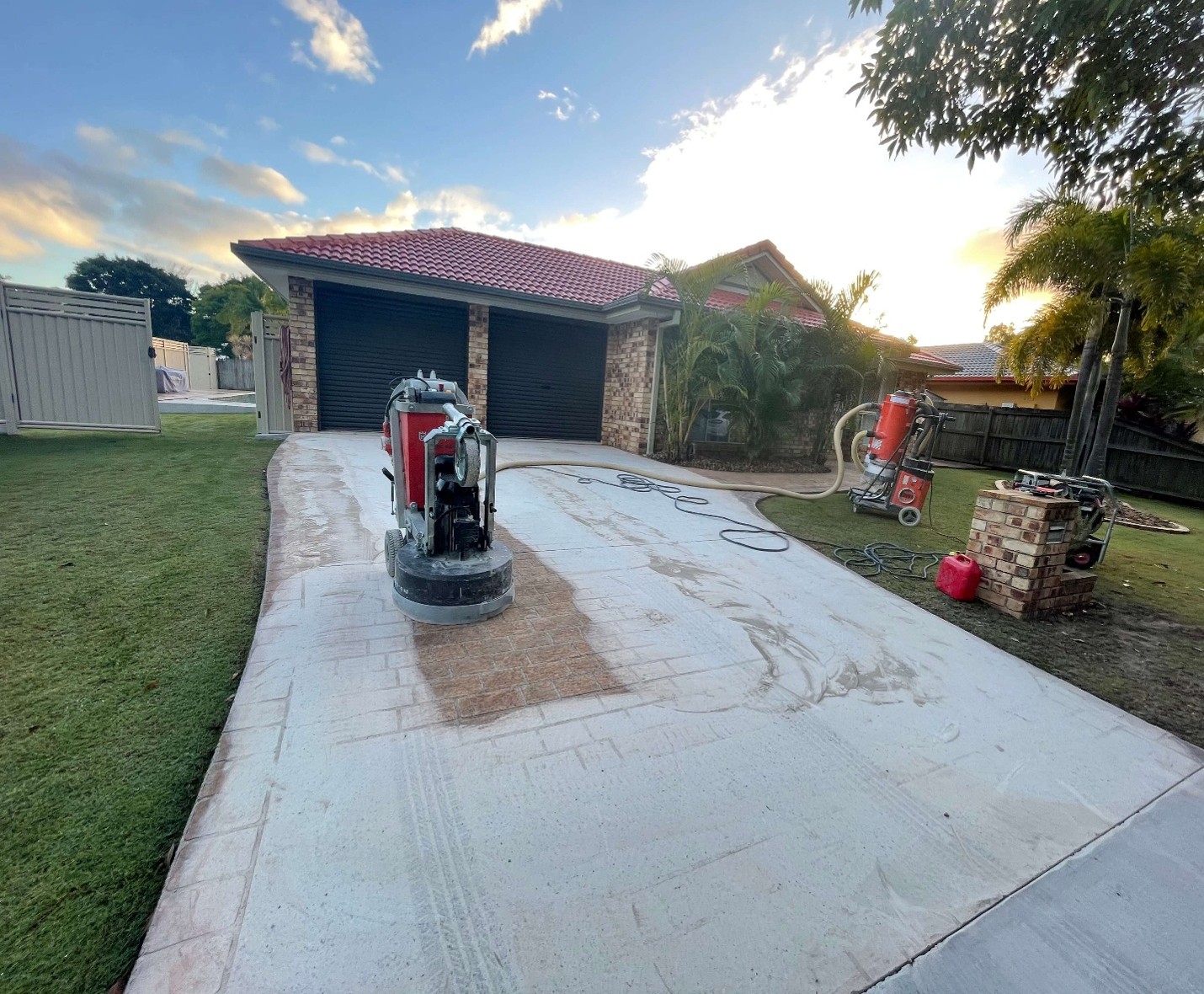

Lots of folks fail to see that their cement is slowly rotting away until huge holes start popping up right across the main path. Brushing a fresh layer of paint over deep splits will only mean the top coat flakes off in just a few quick months. Taking care of deep concrete repair needs right away keeps the structural slab from turning into a giant, expensive mess down the road. You need to clean out all the loose debris from the cracks using a stiff wire brush before applying any filler.
Why preparation comes first
You cannot skip the hard work of grinding if you want your new garage or workshop surface to stick properly over the years. Skipping the crucial stage of thorough floor preparation means grease and hidden moisture will eventually destroy your expensive top coat from underneath. Professional installers spend the vast majority of their time running heavy diamond grinders to open up the dense pores of the stone slab. This mechanical abrasion gives the liquid resin something rough to lock onto, so it stays put forever.
Choosing the right fillers
Not all patching compounds work the same way when you are dealing with deep-moving cracks across a large commercial warehouse floor. Some basic hardware store vinyl concrete patches shrink terribly as they dry out over twenty-four hours. For a truly seamless finish, you should look into high-strength epoxy or polyurea formulas that bind tightly with the surrounding stone walls. These industrial materials sand down completely flat so you never feel a bump when rolling heavy toolboxes across the room.
Dealing with oil stains
Leaking automotive fluids soak deep into unprotected concrete slabs over years of working on old project cars in the garage. Basic power washing with plain water will never pull those stubborn oil pools out from the tiny pores of the stone. You need to use a heavy-duty oil lifter or a strong degreaser to pull those greasy spots up to the top. Doing this well during your floor prep step ensures your new base coat will not bubble up or push away the liquid layer.
Testing for hidden moisture
Dampness rising up from the dirt beneath your house can destroy a beautiful floor finish without you ever knowing it was happening. Taping a simple square piece of clear plastic to your clean slab for a weekend helps you check for hidden vapor transmission. If you catch tiny water drops pooling under the plastic layer, you have a real dampness issue to handle. You need to put down a specific moisture vapor shield right after finishing your concrete fix steps to stop future bubbling.
Leveling uneven slab joints
Old cement blocks often shift and settle poorly over time because the dirt underneath moves around during wet and dry periods. This movement creates bad tripping spots where two parts of the floor meet along the open joints. You can use a specialized concrete hand grinder with a diamond cup wheel to shave down those high edges until they match perfectly. Getting everything completely level makes the subsequent installation of tiles or resin coatings go much smoother without wasting extra material.
Cleaning up the dust
When all the grinding and repair work is done, you will face a giant hill of fine, white, powdery dust. Using a basic home broom just kicks those small specs back into the air, where they drop right back onto your neat floor. Getting a strong shop vacuum built with a real HEPA filter is the best way to gather that fine dust safely. The floor must be completely clean so the next coat can stick right onto the bare stone.
Conclusion
Fixing up an old damaged slab requires proper planning and using the right mechanical tools to ensure your new surface holds up under heavy daily traffic. You can find out more about professional equipment and material options by visiting epoxyflooringredlands.com.au to see how to manage your project correctly. Spending the extra hours to do deep floor preparation stops costly errors and saves you from peeling off bad paint next year. A clean, smooth area increases the use of your space and makes keeping the room neat a much easier task. If you need some expert tips on how to fix up your cement, please call us to discuss your exact goals.